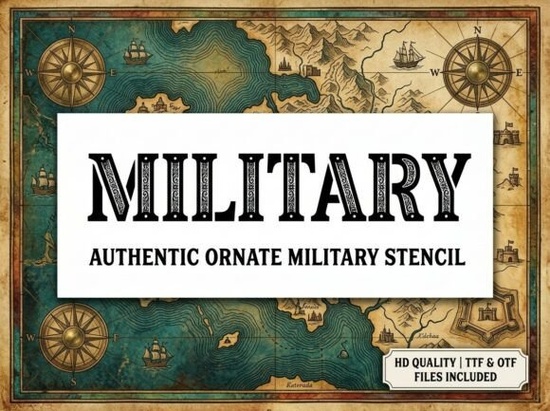
When designing branding for vintage liquor labels or historical book covers, choosing the right typography sets the entire mood. The Military Font is an authentic ornate stencil typeface that brings a rugged, industrial feel to any layout. It takes the classic spray-shield alphabet and adds a highly decorative touch, making it highly legible even against complex backgrounds like weathered parchment or vintage nautical maps. Small businesses and graphic designers often rely on this specific aesthetic to communicate reliability and history without needing extra graphic elements.
What types of projects work best with a stencil display typeface?
Designers and small businesses often look for typography that communicates instant authority. This specific heavy-weight display typeface works exceptionally well for military-themed strategy game branding. The sharp angles and deliberate gaps mimic the look of field equipment, which helps players immediately understand the genre. If you are designing packaging for a vintage rum brand, the ornate details provide a historical prestige that standard block letters lack. The decorative details transform a basic utility font into something suitable for premium glass bottles or textured paper labels.
Print-on-demand sellers can also use it for alternative tactical clothing lines, where the rugged aesthetic appeals to outdoor enthusiasts and campers. The intricate stencil cuts remain clear and readable, which is crucial when screen printing on textured fabrics or dark solid backdrops. Crafters making custom wooden signs for garages or workshops will find that the stencil bridges prevent letters from falling apart during the cutting process, saving both time and materials.
How do you pair a heavy-weight military typeface with other fonts?
Balancing a highly decorative font requires careful selection of secondary typography. Since the main text carries so much visual weight, your supporting fonts should either complement the rugged theme or provide a clean contrast. For example, if you are building a brand identity for an adventure sports company, you might pair it with athletic block styles to maintain a bold, competitive energy.
On the other hand, a historical fiction book cover might benefit from distressed, casual lettering for the subtitle to enhance the vintage, weathered atmosphere. If your layout needs a strict, organized grid for an event flyer, structured geometric shapes work well for the body copy, keeping the information easy to scan.
Sometimes, contrasting themes create the most memorable designs. If you are designing a poster that mixes intense survival themes with softer, narrative elements, delicate display options can create a noticeable contrast. Even playful textured choices can work in unexpected ways if you are creating a stylized, retro arcade game interface that references classic action movie tropes.
How should you prepare files for printing and crafting?
Creative hobbyists and commercial printers need to handle decorative stencil fonts slightly differently than standard typefaces. Because of the intricate cuts and heavy weight, ink spread can be an issue on absorbent materials like raw canvas or untreated wood. Always increase the tracking slightly to prevent the ornate edges from bleeding together.
For digital products, such as high-impact adventure movie posters or promotional art for tabletop gaming campaigns, the font remains sharp and clear at large resolutions. The detailed serifs and stencil breaks maintain their integrity, ensuring the final artwork looks professional. When exporting for the web, convert the text to outlines to guarantee the decorative elements render perfectly across all browsers and devices.
Quick checklist for your next tactical design
- Check your contrast: Ensure the heavy-weight letters stand out clearly against weathered or patterned backgrounds by using solid, dark colors.
- Mind the stencil gaps: If you are using a CNC router or laser cutter, verify that the inner pieces of the letters remain attached and readable in your vector file.
- Limit your usage: Reserve this ornate typeface for headlines, logos, and short quotes, using simpler sans-serif fonts for long paragraphs of text.
- Test print sizes: Always print a physical sample to confirm the decorative details do not blur or fill in with ink at smaller dimensions.
- Adjust letter spacing: Give each character enough room to breathe so the complex edges do not overlap and create visual clutter.
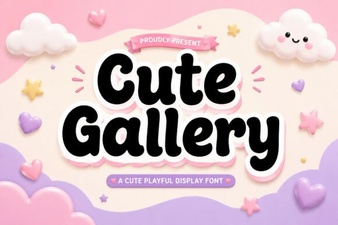 Design Projects with Cute Gallery Font
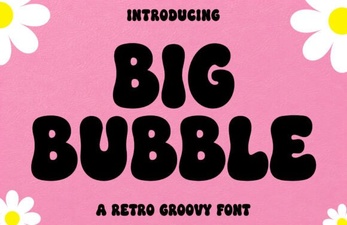 Bubble Fonts for Creative Projects and Fun Designs
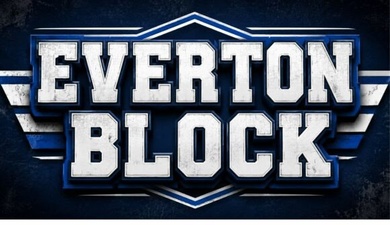 Evertone Block Font: Modern Design and Creative Projects
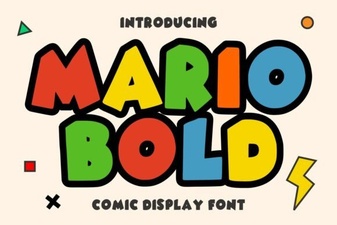 Creative Projects with Mario Bold Font Design
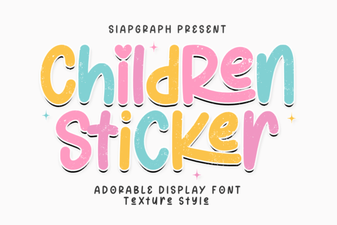 Fonts for Kids: Creative Textures & Sticker Play
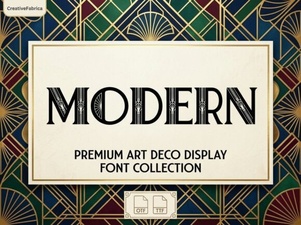 Modern Font Design for Creative Projects and Websites