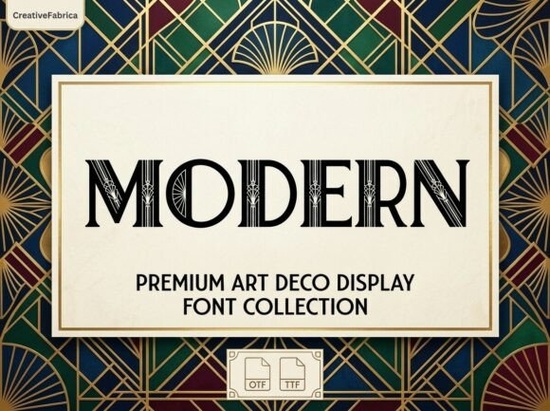
When designing for high-end events or vintage-inspired branding, typography sets the immediate mood. The Modern Font provides exactly that atmosphere. It is a premium Art Deco display typeface built around the architectural lines and luxury of the 1920s. Instead of standard sans-serif options, this specific typeface includes intricate linear embellishments and geometric fan details right inside the letter stems. If you are creating luxurious wedding stationery or boutique hotel branding, this style gives your layout an authentic jazz-age aesthetic without needing extra graphic elements.
What projects work best with a 1920s vintage typeface?
The geometric shapes and stylized filigree make this an ideal choice for projects that require a touch of opulence. Designers frequently use this style of lettering for The Great Gatsby-themed party invitations, upscale restaurant menus, and striking editorial mastheads. Small businesses in the hospitality sector, like speakeasy bars or boutique hotels, often rely on these structural letters to build a recognizable brand identity. It is also an excellent fit for vintage liquor packaging where standing out on a crowded retail shelf matters. By mimicking historical Art Deco architecture, the typography instantly communicates luxury and exclusivity to your audience.
How do you pair ornate display letters with other typefaces?
Because this typeface has so much built-in detail, you need to balance it with simpler or highly contrasting fonts. If you are designing a poster, try using the 1920s font for the main title and pairing it with a clean, minimal sans-serif for the body text. This keeps your message readable and ensures the intricate details remain the focal point.
If you are building a larger brand kit that requires variety, you might contrast these sharp angles with something entirely different. For a youth-focused sub-brand, you could switch to playful textured letters or inflated bubble shapes to create a totally different mood. When you need to convey strength or sports heritage alongside vintage luxury, mixing in classic collegiate styles or heavy block lettering creates a striking visual hierarchy. Alternatively, rounded retro characters can soften a layout that feels too rigid or formal.
What makes the letterforms unique for crafters and print-on-demand sellers?
The defining feature here is the built-in filigree. Rather than adding separate vector flourishes around your text, the geometric fan details are constructed directly into the bold stems of the characters. This saves time for print-on-demand sellers and crafters who want a complex, layered look without manually assembling multiple design assets. The linear embellishments mimic the brass and gold metalwork found in historical buildings.
For crafters using cutting machines, these bold letterforms cut cleanly. The thick stems provide stability for vinyl decals applied to wooden wedding welcome signs or acrylic table numbers. Print-on-demand sellers can use the typography to create striking typography-only t-shirts, canvas tote bags, or framed wall art that appeals to fans of historical fashion and vintage aesthetics.
Which software supports this display typography?
Files downloaded from Creative Fabrica typically come in standard OTF and TTF formats. This means you can install them directly into your operating system and use them across almost any design platform. You can access all the intricate details in Adobe Illustrator, Photoshop, or Procreate. Even browser-based tools support custom font uploads, making it easy for small business owners to create social media graphics without needing advanced design skills.
Quick checklist for your next vintage project
- Limit your color palette: Stick to black, gold, and cream to match the historical 1920s aesthetic.
- Avoid visual clutter: Let the built-in filigree do the work without adding extra background patterns or heavy borders.
- Track your spacing: Adjust the kerning manually if the geometric fans overlap awkwardly on specific letter combinations.
- Test print sizes: Ensure the intricate linear details remain completely legible when scaled down for business cards or menu text.
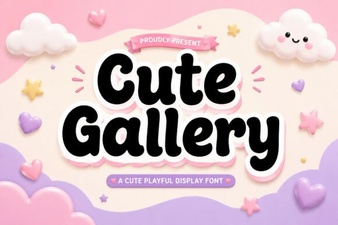 Design Projects with Cute Gallery Font
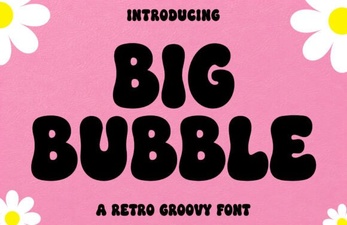 Bubble Fonts for Creative Projects and Fun Designs
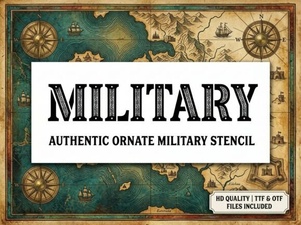 Crafting with Military Style Fonts
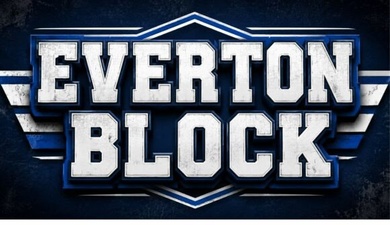 Evertone Block Font: Modern Design and Creative Projects
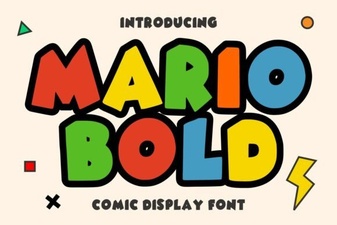 Creative Projects with Mario Bold Font Design
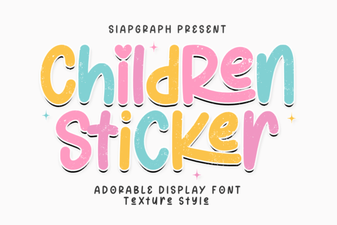 Fonts for Kids: Creative Textures & Sticker Play