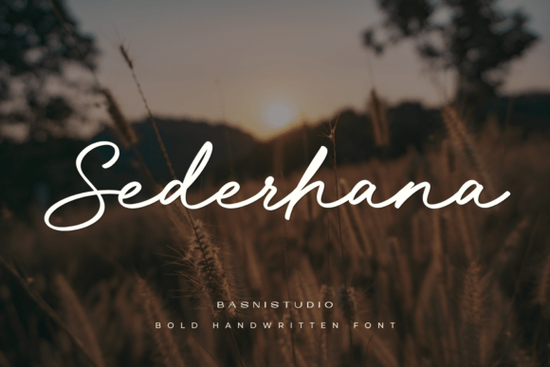
Finding the right script font can completely change the mood of a branding project. If you want a typeface that feels organic and personal, the Sederhana font is an excellent starting point. This bold handwritten font mimics the continuous strokes of a medium-tip paint marker, giving your designs an authentic, human touch. Whether you are working on rustic wedding invitations or cozy cottagecore product labels, its smoothly rounded loops and sweeping baselines provide a sense of elegant simplicity. When looking through different script fonts, I often pair this style with other natural-looking options to build out full brand kits.
How does this handwritten font work with complex backgrounds?
Designers often struggle to make cursive text readable over busy images. Because this typeface is engineered with generous visual weight and optimized vector curves, it slices cleanly over warm-toned sunset photography, soft wheat fields, or grainy film overlays. You do not have to worry about the delicate letters getting lost in the noise of a textured background.
If you are building a cozy lifestyle brand, this visual weight makes it an incredible design shortcut. It works perfectly for:
- Fine-art photography watermarks: The bold strokes ensure your signature stands out against light and dark areas of an image.
- Rustic wedding stationery suites: Use it for the main names on invitations to establish an intimate, handmade tone.
- Artisanal organic food packaging labels: The organic curves look natural on craft paper and glass jars.
- Emotional social media quote graphics: The lively cursive tracking makes longer phrases feel approachable and genuine.
What other typefaces pair well with bold script?
When creating a complete typography system, a heavy script needs balance to keep the overall design readable. You might pair it with clean and simple handwriting styles for body text. This ensures your paragraphs remain easy to read while the main headers grab attention.
For secondary branding elements, you could explore a sweet, rustic script option to add variety to your packaging labels without losing the organic feel of the project. If your design leans more toward a relaxed, modern aesthetic, incorporating laid-back typography helps soften the overall look and prevents the branding from feeling too formal.
Alternatively, for projects requiring a more historical or farmhouse touch, a vintage-inspired Americana typeface provides excellent contrast against smooth, modern cursive. Mixing a bold marker-style script with a structured serif or vintage display font creates a dynamic visual hierarchy.
Where can crafters and print-on-demand sellers use this style?
Crafters and small business owners need versatile assets that work across multiple physical and digital mediums. The lively tracking of this typeface makes it highly adaptable for merchandise. Print-on-demand sellers can use it for custom coffee mugs featuring daily affirmations, or design canvas tote bags with rustic botanical graphics.
For hobbyists using cutting machines like Cricut or Silhouette, this typeface is particularly useful. Thin, delicate scripts often tear during the weeding process when working with adhesive vinyl. Because this font has a generous visual weight, the letters cut cleanly and hold together beautifully on decals, wooden signs, and custom apparel. Small businesses in the organic food space will also find it highly effective for product labels, as the bold strokes mimic hand-painted signage and build trust with consumers looking for small-batch goods. For those who want to dive deeper into the specific details of this elegant simplicity approach, testing the font on different product mockups is the best way to see its true potential.
How do I prepare the font for professional printing?
Before sending your designs to a commercial printer, ensure you have outlined your text. Converting the font to vector shapes prevents any missing file errors when the printer opens your document. Since the design features sweeping connecting baselines, check the kerning manually. Sometimes, specific letter combinations in cursive fonts need slight adjustments to flow perfectly without awkward gaps.
Practical checklist for your next project
Follow these steps to get the best results with your new handwritten typography:
- Test on textured backgrounds: Place the text over a grainy overlay or a photo of kraft paper to check readability.
- Adjust the tracking: Cursive fonts usually require tighter tracking than standard sans-serif fonts to keep the connecting strokes intact.
- Create contrast: Pair the bold script with a highly legible, minimalist font for your body copy.
- Weed with care: If cutting vinyl, use a sharp weeding tool to gently lift the negative space around the thick strokes.
- Outline for print: Always convert text to curves before exporting the final PDF for physical products.
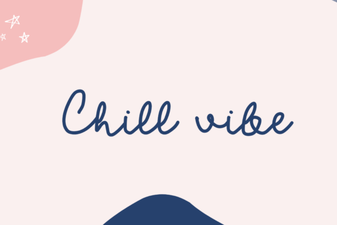 Crafting Your Chill Vibe Font Projects
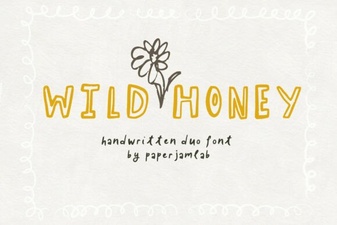 Creative Projects with the Wild Honey Font
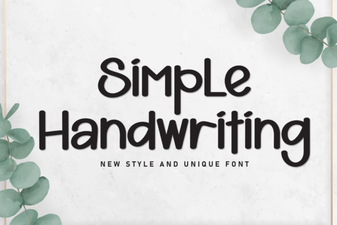 Download & Use Simple Handwriting Fonts
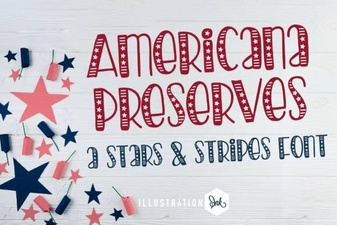 Craft Projects with the Americana Preserves Font
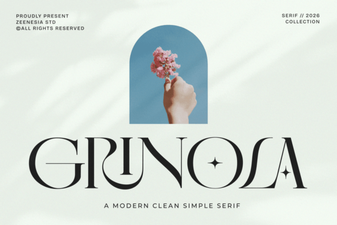 Grinola Font: Free Script Font for Creative Projects
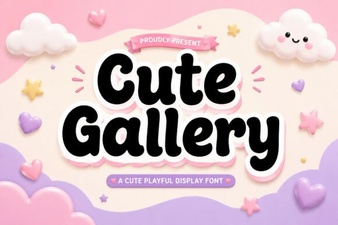 Design Projects with Cute Gallery Font